Why Investors Chase Hot Markets: The Psychology Behind Performance Chasing
Introduction
If you’ve ever felt the urge to buy a stock or fund after a big rally, you’re not alone. This common behavior—called performance chasing—is one of the most costly mistakes investors make. Understanding the psychology behind it can help you stick to a smarter, long‑term plan.
What Is Performance Chasing?
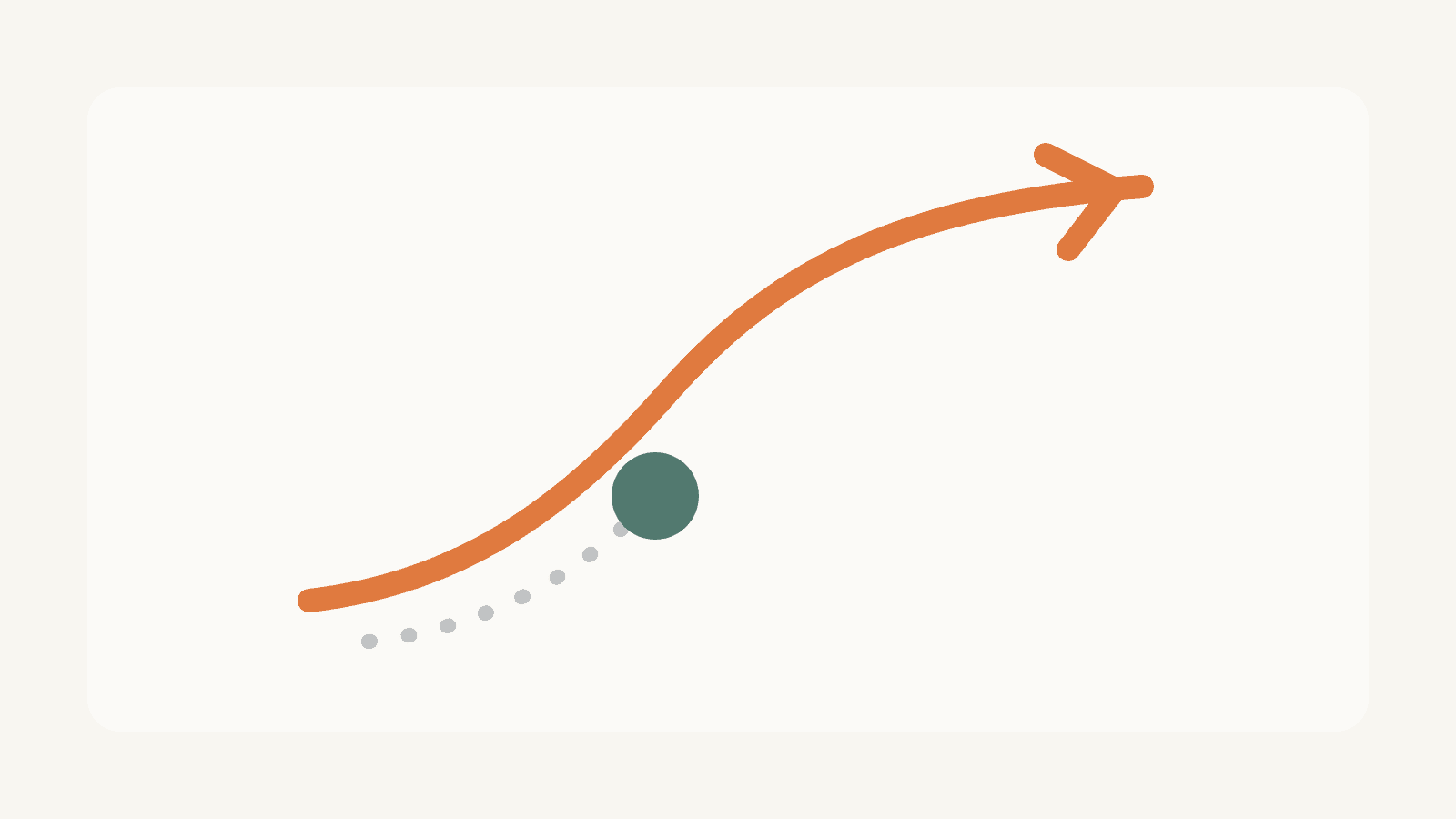
Performance chasing is investing in what has recently done well, assuming the strong performance will continue.
Instead of asking, “Is this investment fairly valued and right for my goals?” the question becomes, “What’s been going up lately?” That often leads to buying high and selling low—the opposite of what successful investors aim to do.[4]
Behavioral Finance: Why Our Brains Trip Us Up
Traditional finance assumes investors are rational. Behavioral finance shows that emotions and mental shortcuts (biases) drive many decisions instead.[1][5]
Key biases behind performance chasing include:
Recency bias – Overweighting recent results and ignoring longer histories.
Herd behavior – Doing what everyone else appears to be doing.
Overconfidence – Believing we can spot trends and exit before others.
Loss aversion – Wanting to avoid the pain of missing out on gains.
These biases are powerful enough to move entire markets, contributing to bubbles and crashes.[1][5]
Recency Bias: The Main Culprit
Recency bias is the tendency to believe that what just happened will keep happening. After a strong rally, investors start to assume:
“This fund is a winner; it’s obviously going to continue.”
Research shows that last year’s best‑performing asset class has about a 40% chance of losing money the following year, yet investors still pile in.[1] Similarly, many investors abandon strategies or managers after a short period of underperformance, only to see the ones they fired outperform in subsequent years.[2]
Recency bias focuses your attention on short‑term results, not long‑term value.
Herd Mentality: “Everyone Else Is Making Money”
Herd behavior is the instinct to follow the crowd. When financial media, friends, and social feeds all highlight the same hot sector or fund, it feels safe to join in.
Behavioral finance research shows that most people tend to jump into markets near the top and flee near the bottom, whether it’s stocks, real estate, or other assets.[2][5] Herding provides emotional comfort but often leads to buying overstretched assets and selling undervalued ones.
Overconfidence and the Illusion of Control
After a few successful trades, it’s easy to think, “I’ve figured this out.” Overconfidence can push investors to:
Concentrate too much in hot areas (e.g., small caps, tech, or trendy funds)
Trade more frequently than necessary
Ignore risk and valuation[3][5]
We assume we’ll “get out in time,” but in reality, most investors don’t consistently time exits well.
Loss Aversion and Fear of Missing Out (FOMO)
Work by Kahneman and Tversky shows that losing feels about 2.5 times more painful than an equivalent gain feels good.[1] That pain isn’t just about losing money—missing out on gains can feel like a loss too.
During a rally, watching others profit triggers FOMO:
“If I don’t buy now, I’ll be left behind.”
“Everyone else is getting rich but me.”
This emotional pressure often overrides careful analysis and encourages late‑stage buying.
How Performance Chasing Hurts Your Returns
Evidence suggests that chasing the latest top performer leads to:
Buying after big run‑ups when valuations are stretched[1][5]
Selling solid investments after short-term underperformance[2]
Lower long‑term returns compared with simply staying the course[2][5]
One study of investment managers found that many of the best long‑term performers spent years in the bottom decile, yet investors fired them during those rough patches—only to see those managers outperform later.[2]
Practical Ways to Avoid Performance Chasing
Write down your plan
Define goals, time horizon, and risk tolerance. Use this as a filter before any new investment.
Focus on valuation, not headlines
Great companies and funds can become terrible investments at the wrong price.[1]
Use rules, not feelings
Automate contributions and rebalancing. This forces you to buy what’s cheap and trim what’s expensive.
Lengthen your time horizon
Evaluate performance over 3–5 years, not 3–6 months.
Limit headline checking
Less screen‑watching means fewer emotional triggers.
Consider guardrails
Tools like tax‑loss harvesting or target‑date funds can embed discipline and reduce emotional trading.[5]
FAQ
1. Is it ever okay to buy after a big rally? Yes—if the investment still fits your goals, risk tolerance, and valuation criteria. The key is why you’re buying: a solid plan, not excitement about recent gains.
2. How can I tell if I’m performance chasing? Ask yourself: “Would I still buy this if it hadn’t just gone up a lot?” If the honest answer is no, you’re probably chasing performance.
3. What’s better than chasing top performers? Build a diversified portfolio aligned with your goals, contribute regularly, rebalance on a schedule, and review only periodically. This usually beats trend chasing over time.
Sources
[1] Behavioral Finance's Role in Investment Decisions - 8figures.com
[2] Pitfalls of Performance Chasing - Cheviot Value Management
[3] Chasing Performance vs Managing Risk in Investing - Bajaj AMC
[4] Investor Behavior: Chasing Performance - CIBC Investor's Edge
[5] Behavioral Finance Insights: Strategies to Avoid Costly Investor Traps - WealthFormula
[6] Misbehavioral Finance: Countering Emotional Investment Decisions - Goldman Sachs AM
[7] Behavioral Finance 101: Pitfalls to Look Out For - Busey Bank
© 2026 Lux IPS, Inc. All rights reserved.