The Difference Between Investing and Speculating: How to Avoid Hype-Driven Trading
Why This Distinction Matters
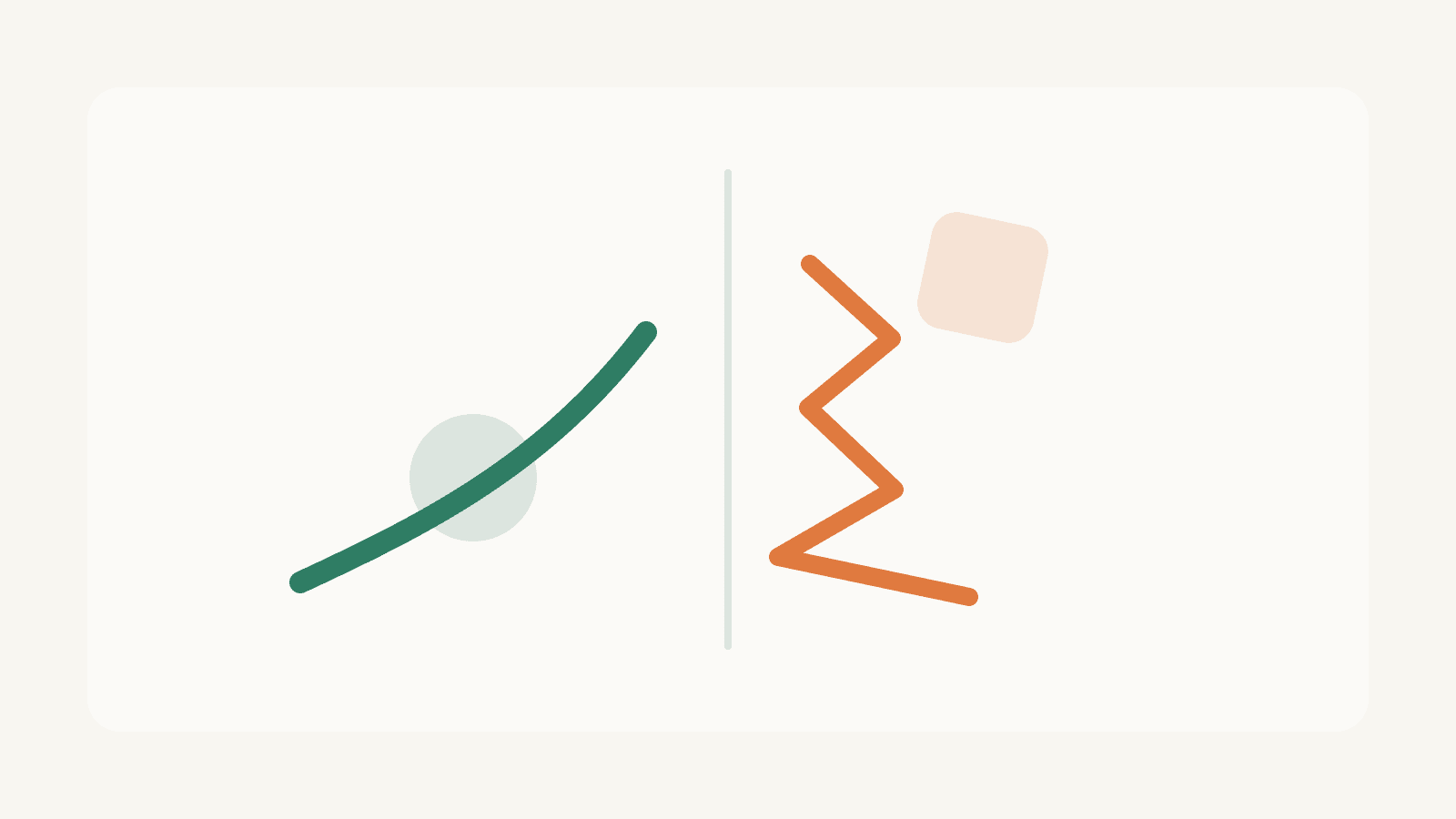
In a world of meme stocks, crypto manias, and hot IPOs, it’s easy to confuse investing with speculating. Both involve putting money into assets hoping for a profit—but the mindset, time horizon, and risk are very different. Understanding that difference is one of the most important skills in behavioral finance.
Core Definitions: Investing vs. Speculating
Several experts and organizations draw a clear line between the two:
Investing usually means buying assets based on their underlying value and holding them for the long term.
Speculating means trying to profit mostly from short-term price movements or shifts in market sentiment.
Robert Hagstrom describes investing as seeking returns from a change in the value of the underlying asset, while speculation seeks returns from changes in attitudes or market behavior toward that asset.[1] Put simply:
Investor: “What is this business or asset worth, and am I paying a fair price?”
Speculator: “Will the price go up soon because others want to buy?”
Time Horizon and Risk
Most sources agree on two big differences: time frame and risk level.
Investing
Long-term focus (typically years or decades)
Aims for steady, reasonable returns
Uses diversified portfolios and fundamental analysis
Often avoids heavy leverage (borrowing)
Speculating
Short-term focus (days, weeks, or months)[2][3]
Chases large, quick gains
Often concentrates in a few risky assets or derivatives
More likely to use margin and options
Because speculating relies heavily on timing the market, outcomes are more unpredictable and closer to gambling—especially when there’s no solid analysis behind the trade.[4]
The Behavioral Finance Angle
Behavioral finance studies how emotions and biases affect financial decisions. Many speculative frenzies are fueled by:
Herd behavior: Buying because “everyone else is.”
Narrative fallacies: Believing a story (“This stock can only go up”) without robust data.[1]
Overconfidence: Thinking you can repeatedly time the market.
Fear of missing out (FOMO): Jumping in late to a hype-driven rally.
Research shows a strong overlap between speculative trading and gambling behavior: high-risk traders are more likely to engage in many forms of gambling and prefer “skill-based” bets such as sports betting or day trading.[6] That doesn’t mean every active trader has a problem—but it’s a warning sign when trading starts to feel like a game.
How to Recognize Hype-Driven Trading
You may be speculating (not investing) if:
You’re buying mainly because of social media buzz or a friend’s tip.
You don’t know how the company makes money or whether it’s profitable.
Your thesis is purely “The price will go up after X event” (IPO, earnings, merger rumor).
You’re constantly watching intraday price moves and feeling anxious.
You’re using significant leverage or options without a written risk plan.
Speculators often rely heavily on technical analysis—charts, price patterns, and volume—to time entries and exits.[2][3] That can be a tool, but when it substitutes for understanding the business, you’re in speculative territory.
What Long-Term Investing Looks Like
Long-term investors focus on owning durable businesses and participating in their growing cash flows, not just their stock prices.[5] Hallmarks include:
Fundamental analysis: Reviewing earnings, cash flows, competitive position, and management quality.
Clear goals: Retirement, college funding, wealth preservation.
Diversification: Spreading risk across asset classes and sectors.
Patience: Accepting volatility in pursuit of long-term growth.
One panelist in the CFA Institute forum defined investing as long-only, long-duration, using no borrowed money, with returns coming from dividends or income plus growth that at least keeps up with inflation.[1] That’s the classic “tortoise” approach—slow and steady, but historically effective.
A Practical Self-Check
Before you click “buy,” ask:
What is my time horizon for this position?
Do I understand how this asset creates value?
Am I relying more on a story and price action, or on underlying fundamentals?
What’s my downside if I’m wrong—and can I live with it?
If your honest answers lean toward short-term, story-driven, and high-risk, you’re speculating. That’s not automatically bad—but treat it like you would a casino: small stakes, strict limits, and no money you can’t afford to lose.
If your answers lean toward long-term goals, value-based reasoning, and controlled risk, you’re investing.
FAQ
1. Is all short-term trading speculation? Not necessarily. Some short-term trading is systematic and risk-managed. But the shorter your time frame and the more you rely on price action over fundamentals, the more speculative it becomes.
2. Is speculation always bad? No. Speculation can add liquidity to markets and can be part of a plan. The danger is when it replaces long-term investing or becomes emotional, leveraged, and unconstrained.
3. How much of my portfolio can be speculative? Many advisors suggest keeping speculative positions to a small slice (for example, 5–10%) and keeping the core of your portfolio in diversified, long-term investments.
Sources
[1] CFA Institute, "Investing vs. Speculation: Highlights from the Future of Finance Forum."
[2] Bankrate, "What Is Speculation And How Does It Affect Your Investments?"
[3] SoFi, "The Difference Between Speculation vs. Investing."
[4] RTD Financial, "Invest or Speculate: Know the Difference."
[5] PYA Waltman, "Reflections on Investing Versus Speculating."
[6] Arthur et al., "The conceptual and empirical relationship between gambling, investing, and speculation," Frontiers in Psychology, 2016.
© 2026 Lux IPS, Inc. All rights reserved.