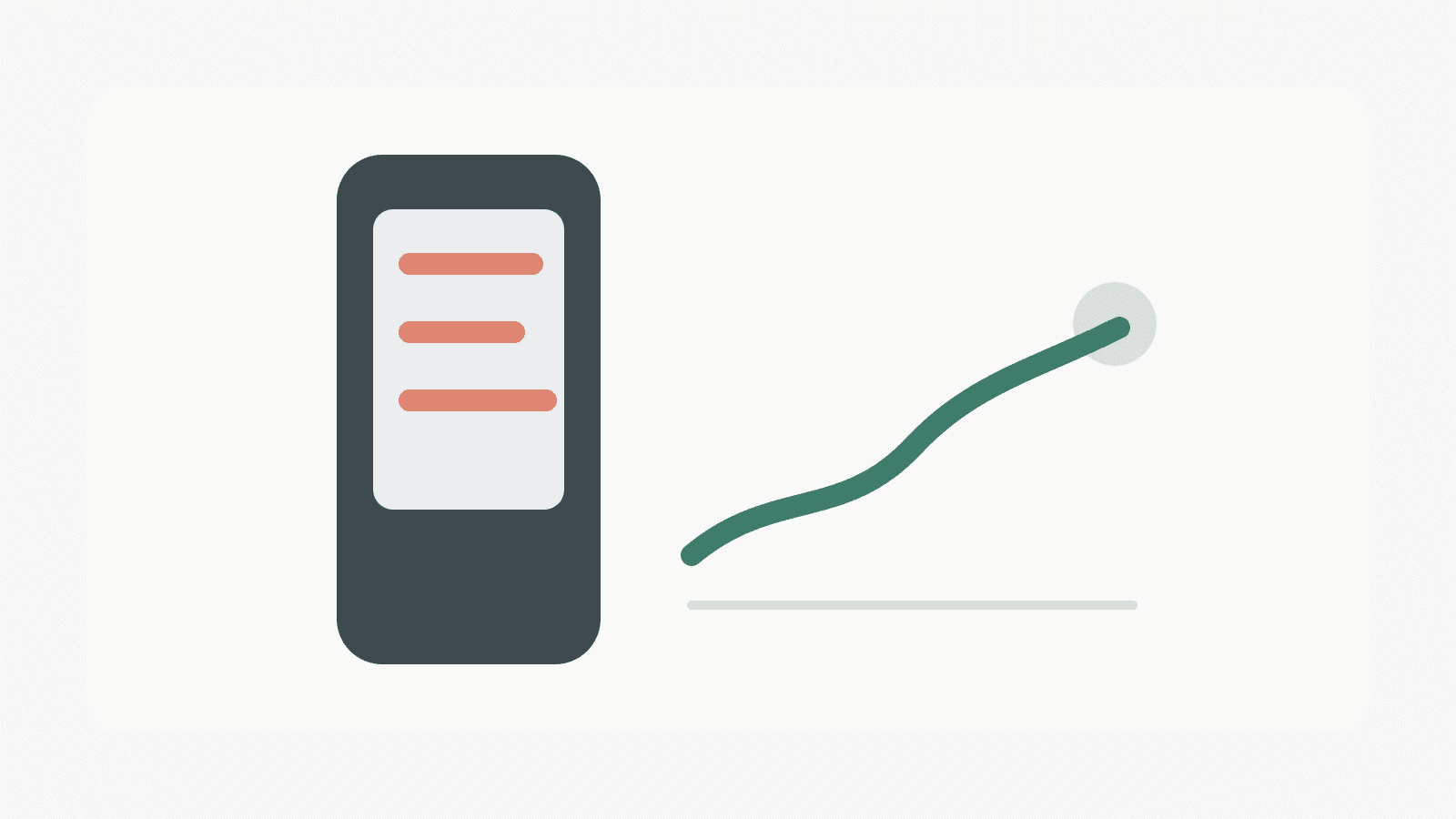
Doomscrolling and Your Portfolio: How Negative News Impacts Investment Decisions
Why Doomscrolling Hurts More Than Your Mood
Doomscrolling—endlessly consuming negative news on your phone—isn’t just bad for your stress levels. It can quietly push you into making poor investment decisions: panic selling, overtrading, and abandoning a sensible long‑term plan.
Behavioral finance shows that we don’t invest with spreadsheets alone; we invest with our brains and emotions. Constant exposure to bad headlines amplifies fear and risk perception, often leading to costly mistakes.
The Psychology Behind Negative News
Human beings are wired with a “negativity bias”—we pay more attention to bad news than good news because, evolutionarily, threats mattered more for survival. Financial news taps directly into this bias.
Research on behavioral finance and investor performance shows:
Fear and loss aversion: Losses feel roughly twice as painful as equivalent gains feel good. This loss aversion makes us prone to selling at the worst time just to “stop the pain.”
Availability bias: The more easily we can recall scary stories (recessions, crashes, layoffs), the more likely we think they are to happen again soon.
Action bias: When we feel anxious, we want to do something—even if the “something” isn’t rational.
UBS notes that doomscrolling creates a negative feedback loop that skews our perception of risks and feeds action bias—leading investors to make unnecessary portfolio changes during volatility instead of sticking to their plan.[2]
Doomscrolling and the “Behavior Gap”
The consequences of emotionally driven decisions show up in long‑term returns.
Dalbar’s long‑running studies of investor behavior, summarized by Simon Quick Advisors, found that from 1992–2021 the average equity fund investor earned about 7.13% annually, while the S&P 500 returned 10.65%.[1] That gap of more than 3.5 percentage points—the behavior gap—is largely explained by poor timing decisions: buying high after good news and selling low after bad news.
On a $100,000 investment over 30 years, that gap can cost nearly $1.3 million in missed gains.[1] Doomscrolling increases the odds you’ll be one of those investors who reacts to headlines instead of following a plan.
How Negative News Shows Up in Your Behavior
Constant negative news exposure can lead to:
Panic selling during downturns
Red screens and recession headlines trigger fear. Instead of viewing a downturn as a normal part of market cycles, doomscrolling makes it feel like an endless free fall. This can push you to sell quality assets at depressed prices.
Overtrading and chasing stories
Emotional fatigue can cause you to jump from one “safe” idea to another, or to chase whatever stock is featured in the latest article or segment, instead of following a diversified strategy.
Shortening your time horizon
The more you read urgent, alarming content, the more your brain fixates on days and weeks instead of years and decades. You start to evaluate investments by recent headlines, not by fundamentals and long-term goals.
Herd behavior
Seeing “everyone” on social media worried or trading in the same direction can trigger herd mentality. Behavioral finance research highlights how this crowd-following contributes to bubbles and crashes.[4]
Practical Ways to Protect Your Portfolio from Doomscrolling
1. Set Information Boundaries
Check markets and financial news at scheduled times (e.g., once per day), not constantly.
Turn off non‑essential notifications from news and brokerage apps.
Prefer weekly or monthly market summaries over minute‑by‑minute updates.
2. Use a Written Investment Plan
Define your goals, time horizon, risk tolerance, and target allocation in writing.
Decide in advance how you’ll respond to volatility (e.g., rebalance if a position moves 5–10% away from target).
When anxiety spikes, return to the plan instead of your news feed.
3. Automate Good Behavior
Use automatic contributions to invest on a schedule (dollar‑cost averaging).
Set rebalancing rules (annually or when allocations drift) to systematically buy low and sell high.
Automation reduces the temptation to “do something” every time you see a scary headline.
4. Focus on Data, Not Drama
Behavioral finance emphasizes the value of structured, data-driven decision frameworks over emotions.[3][6]
Look at long‑term return charts and historical drawdowns to remind yourself that volatility is normal.
Compare your allocation to your goals rather than to today’s headlines.
Ask: “Will this news still matter in 5–10 years?” before changing your portfolio.
5. Get a Second Set of Eyes
Advisors and knowledgeable partners can provide perspective when your emotions are running hot. They can:
Remind you of your long‑term strategy.
Stress‑test your plan against historical crises.
Talk you out of impulsive, fear‑based trades.[1][3]
Bottom Line
You can’t control the news cycle, but you can control how much of it you consume and how you react. Doomscrolling magnifies fear, shrinks your time horizon, and increases the odds of panic selling and emotional trading. By setting boundaries, relying on a written plan, automating decisions, and using data and professional guidance, you can keep your portfolio grounded—even when the headlines aren’t.
FAQ
1. Is it ever smart to sell based on scary news? Sometimes, yes—if the news fundamentally changes an investment’s long‑term outlook or reveals a risk you hadn’t considered. But broad market fear alone is usually not a good reason to sell a diversified portfolio.
2. How much financial news should I follow? Enough to stay informed, but not so much that it affects your sleep or triggers constant worry. Many long‑term investors do well checking markets and major headlines once a day—or even once a week.
3. What’s one simple step to reduce doomscrolling today? Delete or move market‑news apps off your home screen and set a specific 10–15 minute window for financial updates. Use the time you save to review your plan instead of your feed.
Sources
[1] Simon Quick Advisors, “Behavioral Finance: How to Avoid Making Emotional Investing Decisions.”
[2] UBS, “Behavioral finance and COVID-19.”
[3] Hamptons Group, “The Role of Behavioral Finance in Investment Decision-Making.”
[4] YouTube – How Emotions and Cognitive Biases Impact Investment Decisions.
[5] SSRN, “The Psychology Behind Market Doomscrolling.”
[6] Mercer Advisors, “Impact of Behavioral Finance on Investing Decisions.”
© 2026 Lux IPS, Inc. All rights reserved.